
Poker has long captivated players around the globe, whether they’re gathering around a table in a smoky casino or tapping away at their mobile devices. The thrill of the game is undeniable, but as technology evolves, so does our choice of playing environments.
Should you slip into your favorite poker room and face off against live opponents, or is it smarter to stay home and take advantage of online tables? Each format offers its own unique perks and challenges. From the pace of play to opportunities for bluffing, you’ll want to weigh your options carefully. Here’s how each setting stacks up when it comes to odds and player experiences.
Bluffing
Bluffing is an art form in poker. It’s about creating a convincing story with your bets. In both online and in-person games, the approach differs significantly. In a live setting, players can read body language and facial expressions. A well-timed smirk or fidget might betray your confidence level. The tension at the table adds to the thrill of executing a successful bluff. Online poker strips away those visual cues. Instead, you rely on timing and bet sizing to convey strength or weakness. Quick decisions may lead opponents to second-guess their own hands. That said, each method has its challenges.
Pace of Play
The pace of play is one of the most noticeable differences between online and in-person poker. In a live setting, each hand can feel drawn out. Players chat, dealers shuffle cards, and there often seems to be an endless wait for action. Online poker flips this experience on its head. Games run at lightning speed. You can jump from table to table with just a click. This rapid-fire format allows players to get more hands per hour, which can translate into increased winnings if you’re skilled enough. However, the breakneck pace might not suit everyone. Some players thrive on the social aspects of a physical game where they have time to read their opponents’ cues. Others relish diving straight into multiple games without missing a beat.

Player Skill Level
The skill level of players can vary dramatically in both online and in-person poker. This variance significantly influences the odds you face at the table. In physical casinos, you often encounter a mix of seasoned pros and casual players. The atmosphere adds an unpredictable element, as reading your opponents’ tells becomes crucial. Understanding their habits can give you an edge. Online poker creates a different landscape. Here, you’ll find more data-driven players who rely on statistics and strategy software. These tools can elevate the overall skill level but also provide opportunities for savvy players to exploit weaknesses. But then again, whether you’re facing aggressive bluffs or tight play styles, adapting quickly is essential in either format.
Multi-Tabling
In a live setting, you are confined to one table at a time. This allows for deep focus but limits the number of hands you can play in an hour. Online platforms, however, offer the ability to play multiple tables simultaneously. Skilled players often take advantage of this by running two, three, or even more tables at once. This increased volume means more opportunities to profit if you’re able to manage each game effectively. But there’s a catch: multi-tabling requires exceptional concentration and quick decision-making skills.
If you find yourself overwhelmed or unable to keep track of different games, it could lead to costly mistakes. On the other hand, those who thrive under pressure may find themselves raking in significant winnings by spreading their bets across several tables. Whether you prefer the social aspect of in-person poker or the convenience and speed of online gaming will ultimately guide your choice between these two options. Each format has its own merits and challenges that cater to different player styles and strategies. So, consider your strengths carefully as you decide where to place your next bet.…
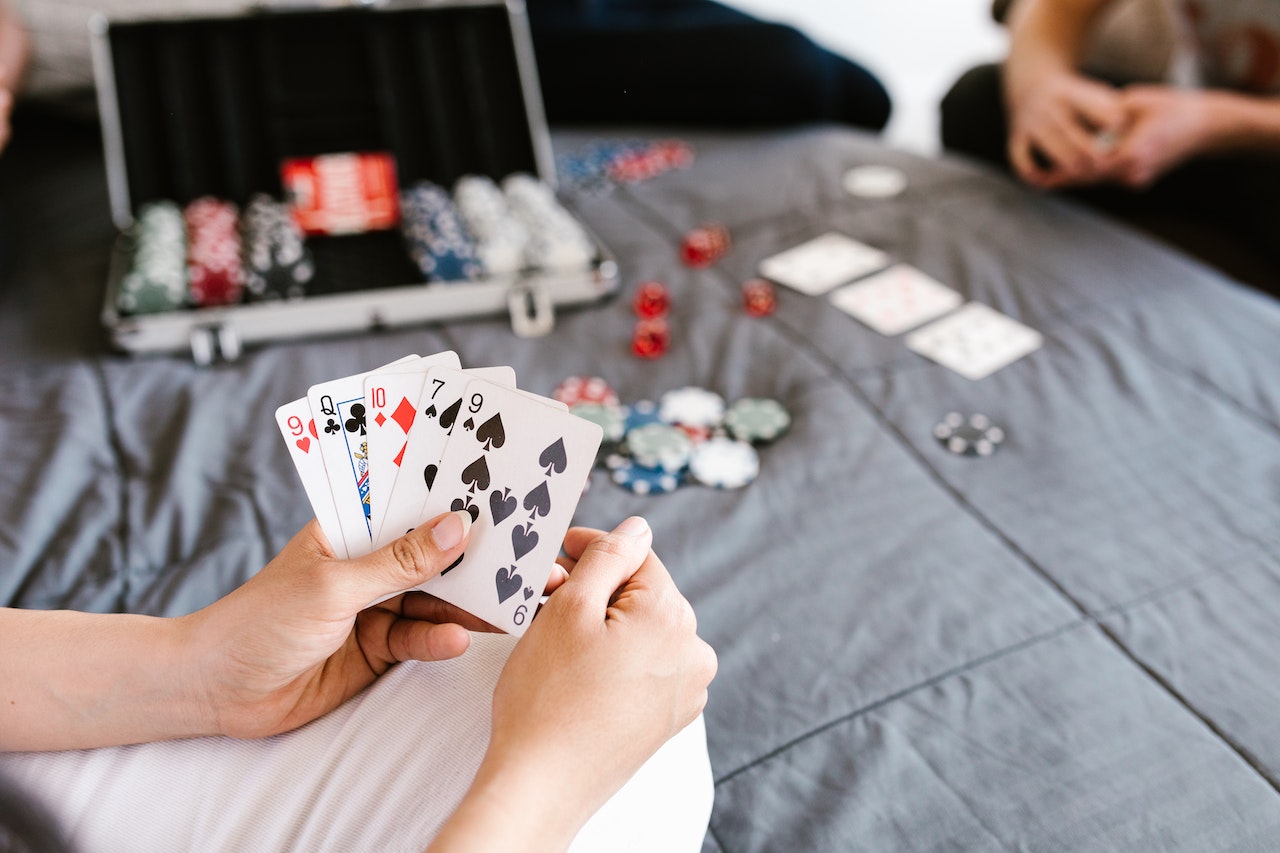
 If you know a few poker tricks, you will beat players who do not know them. It is because poker tricks give you an advantage over other players. Poker tricks can help you make better decisions, and they can also help you win more money.
 Poker is a game of decisions. On every hand, decide whether to bet, call, or fold. If you make better decisions, then you will win more money. Poker tricks can help you make better decisions by giving you information that other players do not have.
 If you make better decisions and play against weaker opponents, you will win more money. Poker tricks can help you do both things. Poker tricks can help you find weak opponents.
 One of the best ways to win money at poker is to semi-bluff aggressively. It would help if you bet or raise when you have a drawing hand, such as a flush or straight draw because this is effective. After all, your opponents will often fold when they see you betting or raising, even if they have a better hand. They will think that you have a made hand and don’t want to risk losing their money. So, next time you’re in hand and have a drawing hand, make sure to bet or raise aggressively. This will help you take down more pots and win more money in the long run.
 The first rule of poker is simple: fold when you’re unsure. This might seem like common sense, but you would be surprised how often players get caught up in the excitement of the game and make bad decisions. If you’re not sure whether or not you have the best hand, it’s always better to err on the side of caution and fold. There’s no shame in folding, and it doesn’t mean you’re a bad player. Some of the best players are also the best folders.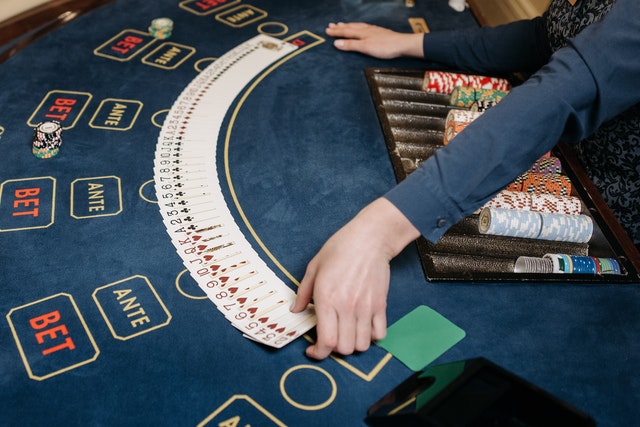
 Poker is a game with many variations, and it can be overwhelming to learn them all. It’s best to start by choosing one type of poker that interests you the most. Then, set a reasonable goal for how much you want to learn and improve. Playing poker is like any other skill: it takes time and practice to get better at it. If your goal seems too ambitious or unattainable, break down the long-term objectives into smaller milestones that become stepping stones along the way towards achieving your goal.
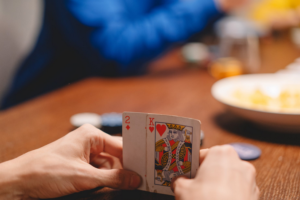 It’d be much better to predict all of your opponent’s cards and not get stuck with a lousy hand. To do this, you should use the “mapping technique” when you try to map out every possible card that could be in their hands based on what they’ve been dealt with previously or how often they bluff. Not only will predicting help you win more money, but it’ll also increase your chances of being able to bluff at the right moment.
 After you have learned some basics, it is time to learn or grasp the most important aspects of poker. There are generally four to five elements to online poker games. You should first familiarize yourself with the rules for various online poker games. Each type of poker game has its own rules. Before you install any poker game on your PC, ensure that you are accustomed to the rules.
 As a poker player, you need to keep your attention and concentration high to keep your mind sharp. Only then will you be able to make the right moves at the right time. Learn to read the other players at the table. Don’t shake hands with someone who is playing the same game. Practice and good planning will help you become the best poker player. Even if you don’t win every game, you will keep your cool and play with other professionals at the table.
 Many league players trade chips to ensure their partner wins. Sometimes they will raise all their chips only to fold when their partner is all-in. They may fold when they have a poor hand, or wait for their larger partner to press them. Chip flushing is most common in cash games and
  Amazon and eBay allow you to buy contact lenses today. These contact lenses can read any deck of cards marked with ink. These contact lenses can be used to read any ink on marked cards. You can also place small pieces of glitter under your nails and do the same thing. Through the light hitting the tinsel, the value of the card can be seen. The cards may appear to be being taken by a dealer. It is possible to cheat with cards but it is best to be cautious. Contact lenses can be used to prevent being cheated.